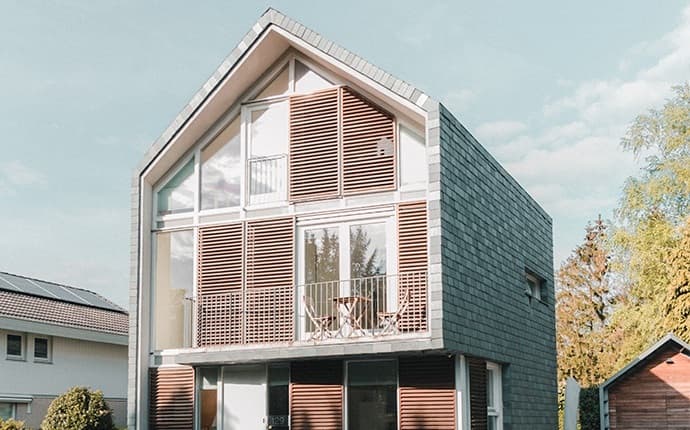


A single phrase on your title deed — "construction servitude" or "condominium ownership" — tells you how legally mature the property you are buying is. The difference looks technical but the consequences are very concrete.
What is construction servitude?
Construction servitude is a right established over an independent unit in a building that is not yet completed or has no occupancy permit. The project is approved and the units are defined, but the building is not legally "finished".
Property under this deed can be sold, transferred and in most cases mortgaged — but there is not yet documentation that the building was completed in compliance with regulations.
What is condominium ownership?
Once construction is complete and the occupancy permit is obtained, construction servitude is converted into condominium ownership. This is full and final ownership of the unit, with official registration that the building was finished in line with the approved project and zoning rules.
Practical differences
| Aspect | Construction Servitude | Condominium Ownership |
|---|---|---|
| Building status | Incomplete / no occupancy permit | Complete, permit obtained |
| Mortgage | Varies by bank, may be restricted | Straightforward |
| Utility accounts | Permanent connections may be difficult | Straightforward |
| Property tax | May be assessed as land | Assessed as a building |
| Value | Relatively lower | Relatively higher |
Is buying under construction servitude risky?
Not inherently — many quality developments in Istanbul are sold this way for a period. What matters is understanding why the permit has not been obtained:
- Normal: The building has just been completed and the application is in progress. Not a problem.
- Worth scrutiny: The building was finished years ago and still has no permit. This usually signals deviation from the approved project, unfinished work or an administrative dispute.
Questions to ask before buying
- What is the date of the building permit, and has it expired?
- Has the occupancy application been made, and at what stage is it?
- Is there any work that deviates from the approved project (enclosed balconies, an added floor, converted common areas)?
- Are there administrative fines or demolition orders from the municipality?
- Does the seller take on the obligation to obtain the permit in the contract?
If you are buying under construction servitude, get the undertaking to obtain the occupancy permit — and the deadline — written into the contract. A verbal assurance is not enough.
How to check
You can view the land registry record through e-Devlet. For occupancy status, apply to the zoning department of the relevant municipality. As a buyer, we recommend completing these checks before the transfer.